What Is an Electronic Cigarette? A Comprehensive Guide to Vaping Technology
Electronic cigarettes, commonly known as e-cigarettes or vapes, have significantly impacted the landscape of smoking alternatives over the past decade. But what’s an electronic cigarette, and how does this innovative device function? This article provides a detailed exploration of the structure, mechanisms, and benefits associated with electronic cigarettes, as well as their relevance in the context of public health and lifestyle changes.
The Basic Definition of an Electronic Cigarette
An electronic cigarette is a battery-powered device designed to deliver nicotine, flavorings, and other chemicals to users in the form of a vapor instead of traditional smoke. The fundamental difference between conventional cigarettes and e-cigarettes lies in the method of delivery—the former burns tobacco, while the latter heats a liquid, often known as e-liquid or vape juice. E-cigarettes range from basic pen-like models to more advanced mods with customizable features, providing options to suit both beginners and experienced users.
Components Inside E-Cigarettes
- The battery: Supplies power to the device
- The atomizer: Heats the e-liquid to produce vapor
- The cartridge or tank: Holds the e-liquid
- Mouthpiece: Allows the user to inhale the vapor
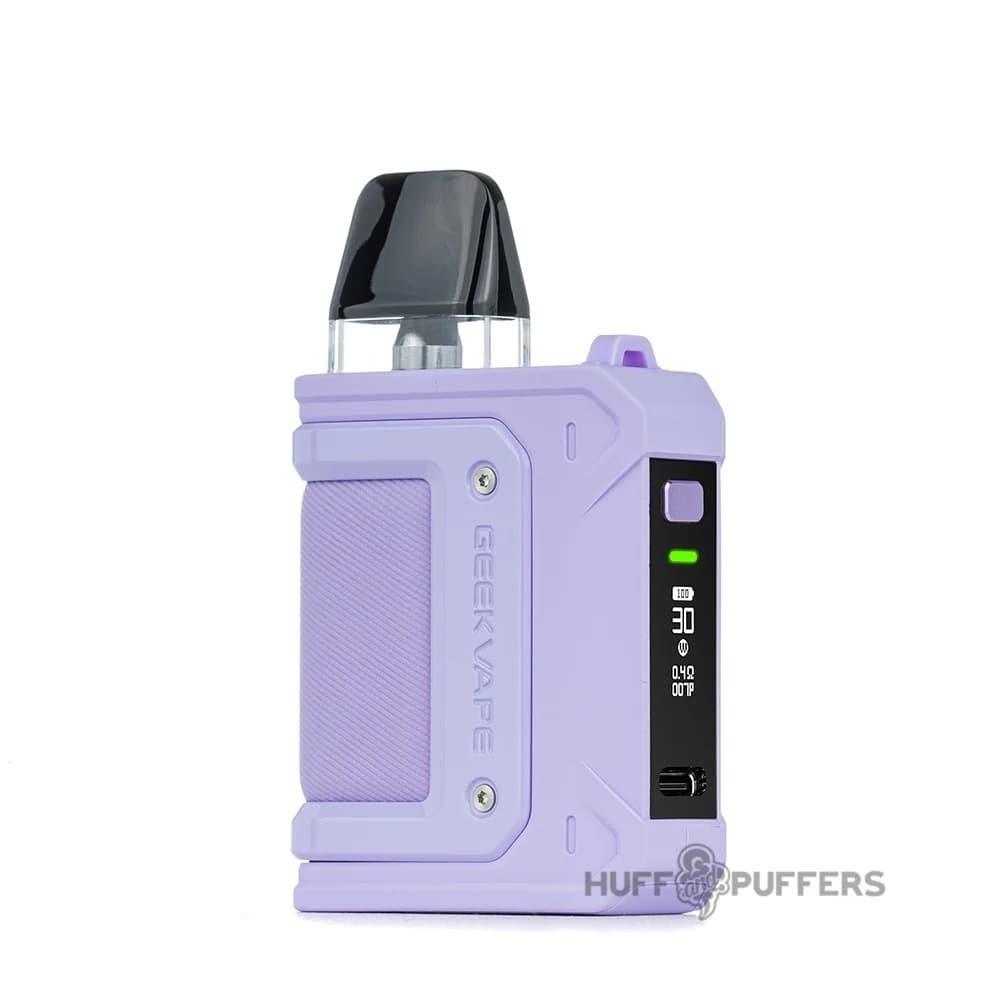
Most devices integrate these elements into a sleek, compact case, making them convenient for portable use.
How Electronic Cigarettes Work
At the core of every e-cigarette is a heating element, commonly called the coil or atomizer. When you press the fire button or draw on the mouthpiece, the battery activates the coil, which then heats the e-liquid stored in the tank. This rapid heating process turns the liquid into an aerosol (commonly called vapor). The user inhales this vapor, absorbing nicotine and flavors quickly into the bloodstream through the lungs.
The Role of E-Liquid
E-liquids are available in a vast selection of flavors, ranging from classic tobacco and menthol to fruity, dessert, or beverage-inspired choices. The main ingredients of e-liquid include propylene glycol (PG), vegetable glycerin (VG), nicotine, and food-grade flavorings. The ratio between PG and VG affects the throat hit and vapor production, allowing users to tailor their experience.
The Advantages and Considerations of Using E-Cigarettes
One of the main reasons individuals turn to e-cigarettes is to reduce or quit smoking combustible tobacco products. What’s an electronic cigarette’s value in harm reduction? Current studies suggest that vaping exposes users to fewer toxic substances compared to traditional smoking. Moreover, the absence of combustion reduces tar and carbon monoxide exposure.
E-cigarettes also offer flexibility. Users can gradually reduce nicotine concentration in their e-liquids, which helps many transition away from nicotine dependence. Additionally, the vast selection of flavors has made vaping appealing to a wider audience, especially among younger users seeking alternatives to smoking.
Potential Risks and Public Health Debates
Despite their popularity, the safety of electronic cigarettes is still being debated in scientific circles. While they are considered less harmful than conventional cigarettes, concerns remain regarding long-term effects, potential gateway use among teens, and risks linked to certain chemicals used in e-liquids (such as diacetyl and acetyl propionyl).
Technological Innovations in Modern E-Cigarettes
Recent advancements have propelled vaping technology forward. Pod systems and mods feature improved battery life, smarter coil designs, temperature controls, and safety features to prevent overheating and leakage. Refillable cartridges and digital displays enhance usability. Some devices even track usage statistics, empowering users to monitor or curb their nicotine intake.
Customization & User Experience
From wattage adjustments to airflow settings, e-cigarettes can be tailored for personal preferences. Some enjoy a strong throat hit, while others prefer dense clouds and smoother draws. The variety in available products is immense, reflecting the rapid evolution of the industry.
Regulation and Legal Status Around the World
As vaping has grown, governments and health organizations have imposed regulations on the sale and marketing of e-cigarettes. Age restrictions are in place to prevent underage use, and packaging often includes warning labels about nicotine’s addictive properties. In some countries, specific flavor bans attempt to curb youth attraction, while others impose taxes similar to those on tobacco products.
Environmental Impact and Sustainability
Unlike traditional cigarettes, which produce litter in the form of cigarette butts, electronic cigarettes involve reusable or recyclable components. However, improper disposal of batteries and pods can still raise environmental concerns. The industry is beginning to adopt eco-friendly options, such as recyclable pods and biodegradable packaging.
Tips for Safe and Responsible Vaping
- Always buy e-liquids from reputable sources to ensure quality.
- Follow manufacturer instructions for maintenance and cleaning of your device.
- Dispose of batteries and cartridges safely, using specialized recycling programs when available.
- Avoid modifying devices beyond recommended parameters to prevent malfunctions.
Future Trends in E-Cigarettes
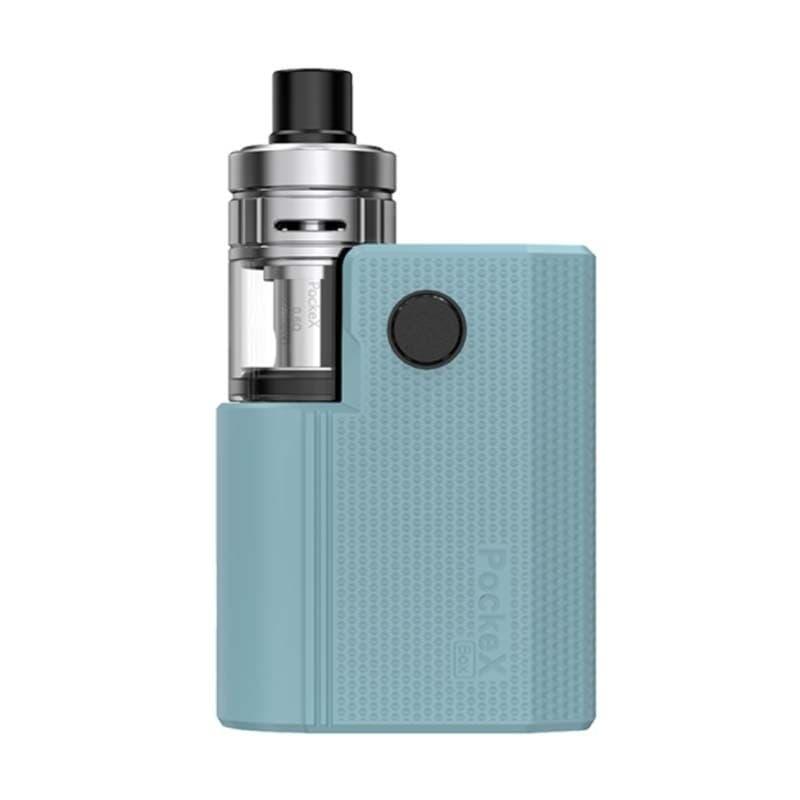
The vaping sector continues to innovate, with smart devices offering app connectivity and enhanced safety algorithms. Research into less harmful formulations and nicotine alternatives (like nicotine salts) is ongoing, promising benefits for public health.
Summary
What’s an electronic cigarette? In summary, it is a modern nicotine delivery device that offers an alternative to traditional smoking through vaporization of e-liquid. E-cigarettes provide customizable features, a wide range of flavors, and potential advantages in harm reduction. Though ongoing research will clarify their long-term health effects, their place in contemporary lifestyle and smoking cessation efforts is unmistakable.
Frequently Asked Questions
- Are electronic cigarettes safer than traditional smoking?
- While e-cigarettes do not involve combustion and produce fewer toxins, they still carry risks, especially for those who have never smoked before. Most public health experts view them as less harmful, but not risk-free.
- What’s inside vape juice?
- Common ingredients include vegetable glycerin, propylene glycol, nicotine (optional), and flavoring agents. Some products may also contain additives or specific blends for enhanced vapor or taste.
- Can e-cigarettes help people quit smoking?
- There is evidence that using e-cigarettes can help some people reduce or quit smoking, especially when combined with supportive behavioral methods. Medical advice is recommended for those seeking to quit nicotine entirely.