As the popularity of e-cigarettes continues to grow, particularly among vape enthusiasts, understanding the key components that make up these devices is essential. The anatomy of an e-cigarette can vary significantly depending on the brand and model, yet several fundamental parts are consistent across the board. Understanding the core components of e-cigarettes is crucial for both seasoned vapers and newcomers alike, as it ensures optimal device performance and safety. Let’s delve into the intricate details of what constitutes an e-cigarette.
Atomizer
The atomizer is arguably the most critical component of the e-cigarette. It’s responsible for converting the liquid, commonly known as e-liquid or vape juice, into vapor via heating. The atomizer typically consists of a coil, which heats up, and a wick that absorbs the e-liquid, allowing it to be vaporized when electricity flows through the coil.
Battery
The battery is the powerhouse of the e-cigarette. It supplies the necessary energy to the atomizer for the vaporization process. Most e-cigarettes use rechargeable lithium-ion batteries due to their efficiency and longevity. Proper battery maintenance and understanding battery safety are vital to prevent accidents and ensure the device operates effectively.
E-Liquid
The substance inhaled when using an e-cigarette is known as e-liquid or vape juice. It’s a mixture of base liquid, flavorings, and, optionally, nicotine. The base liquid usually comprises propylene glycol (PG) and vegetable glycerin (VG). Balancing your PG and VG levels can alter the throat hit and vapor production to suit your preferences.
Mouthpiece
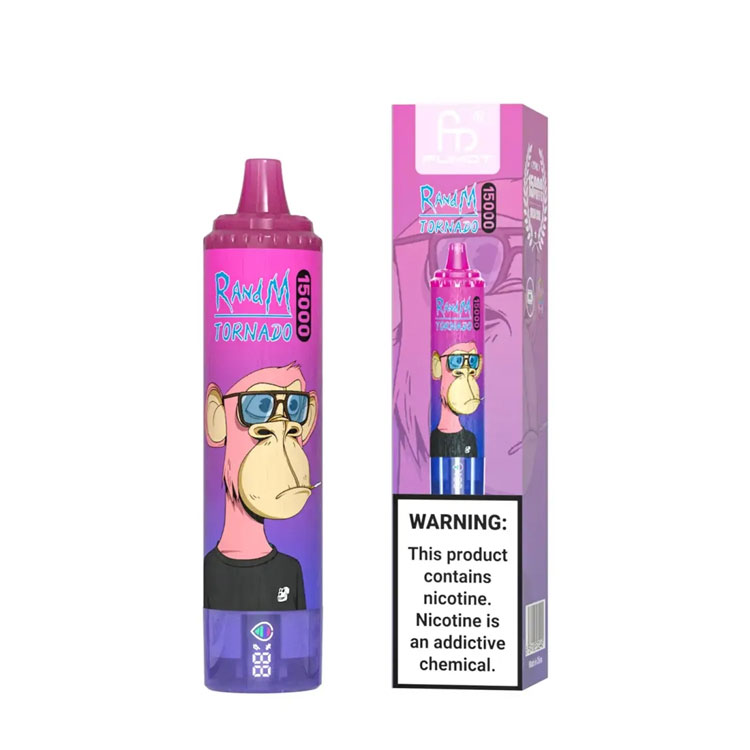
The mouthpiece, also known as the drip tip, is the section through which the vapor is inhaled. It’s often made from materials like metal, glass, or plastic and comes in various shapes and sizes to accommodate user preferences. A comfortable and effective mouthpiece can enhance the vaping experience immensely.
Cartridge
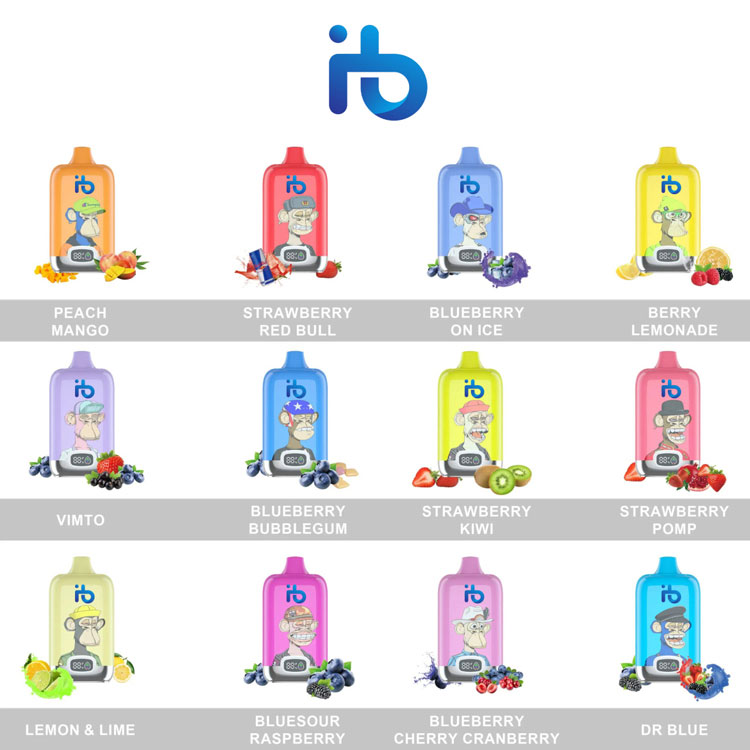
For some e-cigarettes, especially older models, a cartridge is used to hold the e-liquid. Modern devices have transitioned to using tanks or pods, which allow for more liquid storage and convenience. Cartridges can be disposable or refillable, impacting the cost and usability in the long term.
Understanding these components of e-cigarettes empowers users to make informed choices about their devices, customize their vaping sessions, and maintain their equipment properly. Ensuring knowledge of each part also aids in troubleshooting any issues that might arise while vaping.
FAQs and Related Information
Why is my e-cigarette not producing vapor?
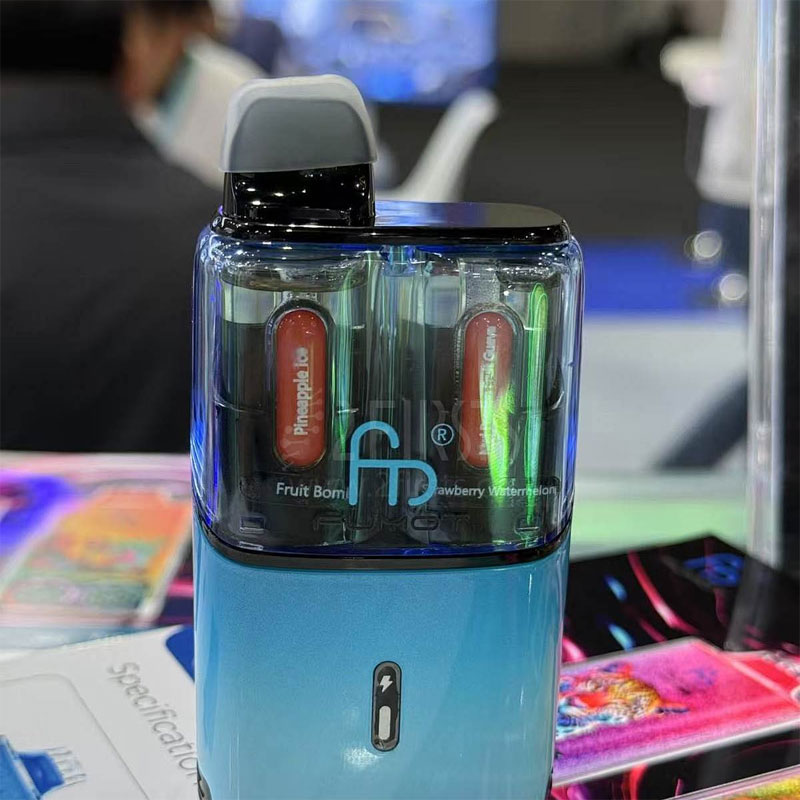
Several reasons could cause vapor production issues, such as a depleted battery, dry wick, or faulty atomizer. Check these components sequentially to identify and resolve the problem.
How can I maintain my e-cigarette?
Regular cleaning, proper battery care, and timely coil replacement are essential practices for maintaining your e-cigarette. Keeping your device clean ensures optimal performance and longevity.