The composition of e-cigarettes is a topic that has garnered significant attention due to its implications for health and safety. E-cigarettes, also known as electronic nicotine delivery systems (ENDS), contain several key components that work together to create the vapor that users inhale. Understanding these components is crucial for consumers, policymakers, and health professionals.
Components of E-Cigarettes
E-cigarettes consist mainly of a battery, an atomizer, and a cartridge or tank. The battery provides power to the atomizer, which heats the e-liquid stored in the cartridge or tank. These elements interact to produce vapor, which is then inhaled by the user.
The E-Liquid
The e-liquid, also known as vape juice, is a critical component of e-cigarettes. It is typically composed of propylene glycol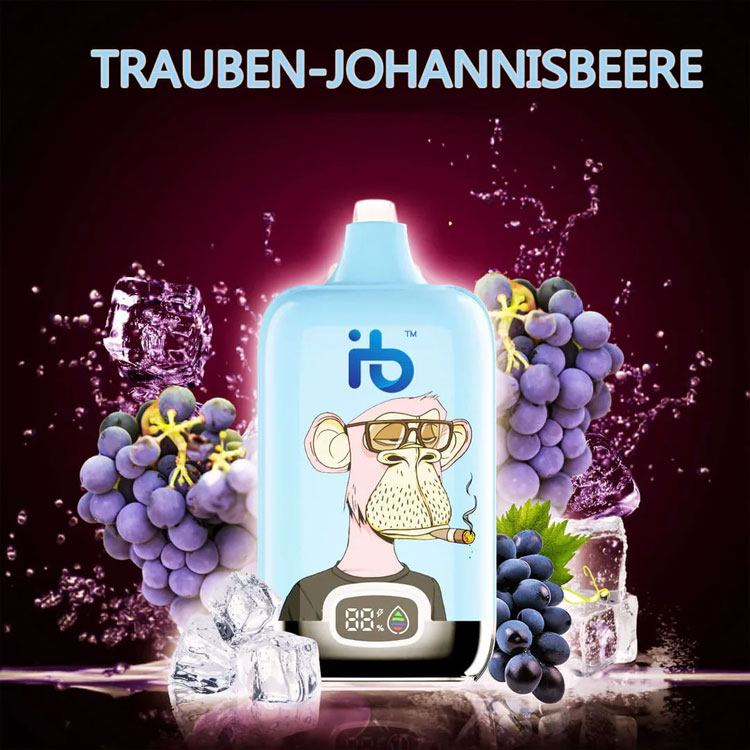 (PG), vegetable glycerin (VG), nicotine, and flavorings. PG and VG serve as the base of the e-liquid and help to produce the mist-like vapor, while nicotine and flavorings add the desired taste and effect.
- Propylene Glycol: A thinner fluid used to enhance flavor distribution and provide a throat-hit similar to smoking.
- Vegetable Glycerin: A thicker liquid that creates large vapor clouds and adds sweetness.
- Nicotine: The addictive substance found in e-cigarettes, available in varying concentrations.
- Flavorings: Various flavors are added to create different aromas and tastes, ranging from tobacco and menthol to fruit and candy.
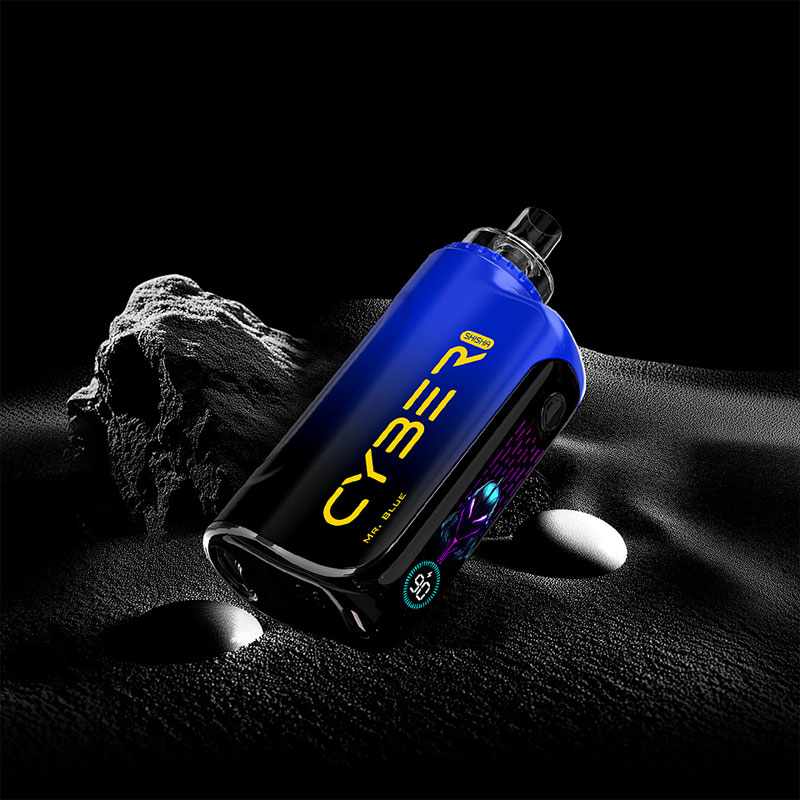
Anatomy of an E-Cigarette
The battery is typically a lithium-ion type, similar to those used in smartphones. It provides energy to the atomizer, which contains a coil that heats up the e-liquid. The cartridge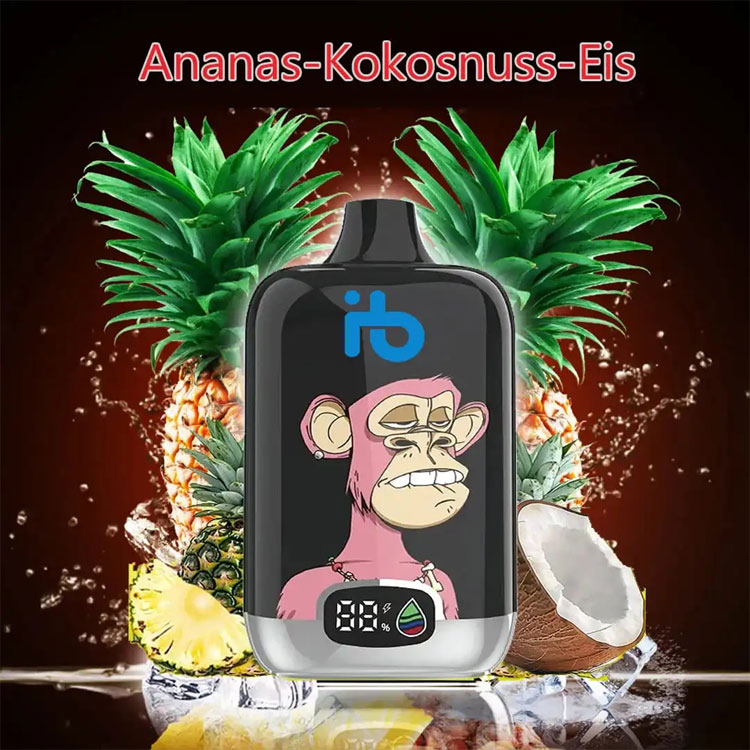 holds the e-liquid and is often made of plastic or glass. Upon activation, the atomizer transforms the liquid into vapor, providing the experience akin to traditional smoking.
Potential Health Impacts
The health impacts of e-cigarettes are a topic of ongoing research. While they are often marketed as a safer alternative to conventional cigarettes, concerns persist about their long-term safety. Some studies suggest potential risks associated with inhaling vaporized chemicals, including pulmonary and cardiovascular effects.
Regulatory Aspects
Globally, governments are adjusting regulations concerning the sale and composition of e-cigarettes. These policies aim to ensure consumer safety and reduce potential abuse, particularly among youths.
Related FAQs:
1. What is the difference between PG and VG in e-cigarettes?
PG, or propylene glycol, provides a stronger inhalation sensation akin to smoking, while VG, or vegetable glycerin, is sweeter and produces thicker vapor clouds.
2. Can e-cigarettes help quit smoking?
Some individuals use e-cigarettes as a smoking cessation tool, yet scientific consensus on their efficacy remains divided due to varied research results.
3. Are e-cigarette flavors regulated?
Many regions have implemented restrictions on e-cigarette flavors to limit appeal to younger demographics, though regulations vary by location.
Understanding the composition of e-cigarettes is essential for making informed health choices, ensuring regulatory compliance, and fostering a safer consumption environment.