Understanding Secondhand Vapor: Is the Vapor from E Cigarettes Harmful to Others?
The rapid rise in the use of e-cigarettes, also known as vapes, has sparked vigorous debate about whether the vapor they emit poses health risks to bystanders. With more people turning to electronic cigarettes as an alternative to traditional tobacco products, questions arise regarding the composition of e-cigarette vapor and the potential implications for non-users—especially in public spaces and homes. This article delves deep into secondhand vape effects and provides current evidence to answer the crucial question: is the vapor from e cigarettes harmful to others?
What is E-Cigarette Vapor?
E-cigarettes function by heating a liquid (commonly called e-liquid or vape juice) that contains nicotine, flavorings, and other chemicals, turning it into an aerosol, which users then inhale. Unlike traditional cigarette smoke, e-cigarette vapor doesn’t result from combustion, but rather from vaporization. Nevertheless, this vapor isn’t merely ‘harmless water vapor’—it contains a complex mixture of substances, some of which are of concern regarding public health and secondhand exposure.
Chemical Components of E-Cigarette Vapor
- Nicotine
- Propylene Glycol
- Glycerin
- Flavoring Agents (including chemicals such as diacetyl)
- Volatile Organic Compounds (VOCs)
- Ultrafine Particles
- Heavy Metals (in some cases, including lead and nickel)
Investigations have found that the vapor emitted from e-cigarettes, though often lower in certain toxins than cigarette smoke, can contain substances known to have negative health effects. The amount and type of chemicals depend on the device, e-liquid formulation, and user behavior.
How Does Secondhand Vape Exposure Occur?
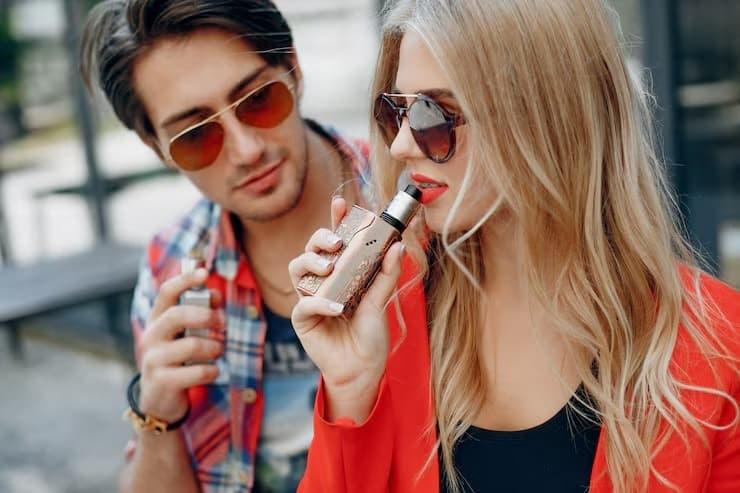
When someone uses an e-cigarette, the aerosol is inhaled into the lungs and then exhaled into the surrounding air. Others nearby can involuntarily inhale this secondhand vapor. The concentration of chemicals in secondhand vapor generally decreases over time and distance, but enclosed or poorly ventilated spaces can allow buildup, giving rise to greater exposure for non-users.
Comparison: Secondhand Tobacco Smoke vs. Secondhand Vape
Is the vapor from e cigarettes harmful to others in the same way as traditional cigarettes? It’s important to compare their risks. Conventional cigarette smoke contains more than 7,000 chemicals, with dozens proven to cause cancer. E-cigarette vapor, while generally containing fewer and lower levels of toxic compounds, is not entirely free from risk. Studies reveal the presence of nicotine, particulate matter, and certain carcinogens in exhaled vapor. The overall risk profile may differ, but ‘less harmful’ does not mean ‘harmless.’
Potential Health Risks for Bystanders
- Nicotine Exposure: Secondhand vape exposes non-users—including children and pregnant women—to nicotine. Nicotine is addictive and has negative effects on brain development in youth.
- Respiratory Effects: The presence of propylene glycol and glycerin as aerosols can irritate the respiratory tract, especially in individuals with asthma or other lung conditions.
- Carcinogens & Toxins: Trace levels of carcinogenic compounds and heavy metals can be detected in secondhand vapor, though typically at lower concentrations than cigarette smoke.
Moreover, public health authorities like the CDC and the World Health Organization routinely advise caution around vaping indoors due to insufficient data regarding long-term effects.
Scientific Studies on Secondhand Vape Harm
Multiple peer-reviewed studies have sought to answer whether the vapor from e cigarettes is harmful to others. Recent research consistently finds that while secondhand vapor is less toxic than secondhand tobacco smoke, it still contains potentially hazardous chemicals. A 2021 review in the journal Addiction reported measured levels of nicotine and particulates in the air where e-cigarettes were used—enough to present exposure risk over time, especially for vulnerable populations like children.
Another study published in Environmental Science & Technology found that exhaled e-cigarette aerosols could deposit ultrafine particles and nicotine residues on surfaces, a phenomenon called “thirdhand vaping.” Such residues may be inhaled or ingested later, especially by infants or pets.
Are Children and Pregnant Women at Greater Risk?
Yes. Nicotine exposure poses significant concerns for developing fetuses and children due to its potential impact on brain development. Because of their smaller body size and developing organs, children are more susceptible to airborne pollutants in general. Pregnant women exposed to nicotine are at a higher risk of complications, including preterm birth and developmental delays in the baby.
Summary: Should You Be Concerned About Secondhand Vape?
Despite being marketed as a “safer” alternative, vaping isn’t risk-free for bystanders. If you’re wondering, “is the vapor from e cigarettes harmful to others?,” consider these points:
- Secondhand vape exposes others to nicotine, fine particles, and chemicals with known or suspected health risks.
- Those with chronic conditions like asthma might see aggravated symptoms.
- Long-term health effects of regular exposure to e-cigarette vapor are currently unknown, and public health authorities urge caution.
Minimizing Secondhand Vape Exposure
To limit risks for loved ones and the public, consider adhering to smoke- and vape-free laws and policies, ventilating indoor spaces, and avoiding vaping near children, pregnant women, or people with lung conditions. Many public buildings, schools, and airplanes already prohibit e-cigarettes in the same manner as traditional cigarettes.
SEO Perspective: Why Answering “Is the Vapor from E Cigarettes Harmful to Others” Matters
From an SEO optimization angle, this question is a frequent search among parents, educators, and health professionals. Addressing it thoroughly with up-to-date research ensures that authoritative, accurate, and engaging content ranks high in search results and educates readers effectively.
Key Takeaways
- Vapor from e-cigarettes is not “just water vapor” and contains chemicals potentially harmful to others.
- While less hazardous than secondhand tobacco smoke, e-cigarette vapor exposes bystanders—particularly children and pregnant women—to measurable levels of nicotine and other substances.
- Regulations differ by location, but a prudent approach is to avoid vaping near non-consenting individuals indoors.
FAQs: Secondhand E-Cigarette Vapor
- Is secondhand vapor from e-cigarettes as dangerous as cigarette smoke?
- No, most research shows it is less toxic than cigarette smoke, but still poses potential risks due to nicotine and particulates.
- Can vaping indoors affect air quality?
- Yes, vaping indoors can increase airborne particulates and nicotine, affecting overall indoor air quality, especially in unventilated spaces.
- How can I protect my family from secondhand vape exposure?
- Avoid vaping indoors, create vape-free zones, especially where children and pregnant women are present, and follow local legislation regarding vaping in public spaces.
By staying informed and making conscious choices, you can help minimize health risks and contribute to a healthier environment for everyone.