E-Cigarettes in Hand Luggage: Key Guidelines for Air Travelers
E-cigarettes, also known as vapes or electronic nicotine delivery systems, have revolutionized how many people consume nicotine. But if you’re planning an air journey, knowing whether are e cigarettes allowed in hand luggage is essential for hassle-free travel and compliance with aviation regulations. Airlines and airport authorities worldwide have specific policies addressing the transport of vaping devices, and not following these can lead to confiscation of your gear, fines, or even denial of boarding. Therefore, understanding what the rules are and how to pack your e-cigarettes for air travel is indispensable for modern globetrotters.
Can You Take E-Cigarettes in Your Hand Luggage?
Most airlines and international aviation authorities permit passengers to carry electronic cigarettes in carry-on or hand luggage. The reason behind this allowance is safety: lithium batteries pose a fire risk and are best kept in the cabin, where crew can access them in case of emergencies. Are e cigarettes allowed in hand luggage? In general, yes, as long as you follow these basic rules: Keep e-cigarettes and vaping devices in your hand luggage, not in checked luggage; Remove tanks and cartridges if possible, and store them separately to avoid accidental activation or leakage;
- Pack all liquid vape e-juices in containers no larger than 100ml, placing them in a clear, resealable plastic bag per TSA and most international security guidelines.
- Do not attempt to use or charge your e-cigarette onboard the aircraft, as this is universally prohibited.
By complying with these expectations, you’re much less likely to run into problems at airport security or at your destination.

Are E Cigarettes Allowed in Hand Luggage Internationally?
While most countries allow e-cigarettes in hand luggage, there are notable exceptions and additional cautions. For example, flights to Thailand and some Middle Eastern countries have strict prohibitions on both possession and use of vaping devices, sometimes resulting in fines or legal action. Always research the vaping laws of your destination before traveling, and be prepared for possible security checks or questions. Having relevant guidance printed out or saved to your phone may also be helpful in case airport staff question your compliance.
Packing Tips for Vaping Devices
- Disassemble your e-cigarettes prior to packing. Remove batteries if possible and carry them in suitable protective cases.
- Store your vape juice in compliance with liquid restrictions (typically 100ml max per item) and ensure that it’s isolated from food, medication, and other items to prevent leaks.
- Do not overfill tanks, as air pressure changes can force liquid from them during the flight, leading to messes and possible device malfunction.
Security Screening and Vaping Devices
At security checkpoints, expect to have your e-cigarette, batteries, and vape juice scanned and examined. Most screeners are familiar with these devices; however, always declare them if asked, and never attempt to hide or disguise their presence in your hand luggage. If your device does not readily fit in the bin, remove it from your bag and place it in the tray, similar to laptops or large electronics. NOTE: Some airports may require removal of batteries from the device for inspection.
Are E-Cigarettes and Vapes Safe for Flight?
The main safety concern for airlines is battery fires. This is why are e cigarettes allowed in hand luggage and not checked baggage. Lithium-ion batteries can ignite if physically damaged or short-circuited, a risk that’s far better controlled in the cabin. Ensure your e-cigarette is turned off, cannot accidentally activate, and is packed according to airline advice.
Key Tips for Travelers to Stay Compliant
- Check airline policies before departure—policies may vary slightly between carriers.
- Understand destination laws—some locations criminalize vaping, possession, or even import of e-cigarettes.
- Be ready during security: keep all components easily accessible, and pack liquids according to carry-on regulations.
- Resist the urge to vape on board—doing so could lead to fines or removal from the flight.
- Never pack spare batteries loose; always use battery cases to avoid short-circuits or accidental activation.

Common Questions about Vaping and Hand Luggage
Can I recharge my e-cigarette on the plane? No, charging is prohibited due to fire safety concerns.
Can I use my e-cigarette in airport terminals? Most airports restrict vaping to designated smoking areas. Always check signage and comply with local restrictions.
Do I need to declare vaping devices at security? No formal declaration is required, but always answer questions truthfully and present devices if requested.
Final Takeaways for Vape Users
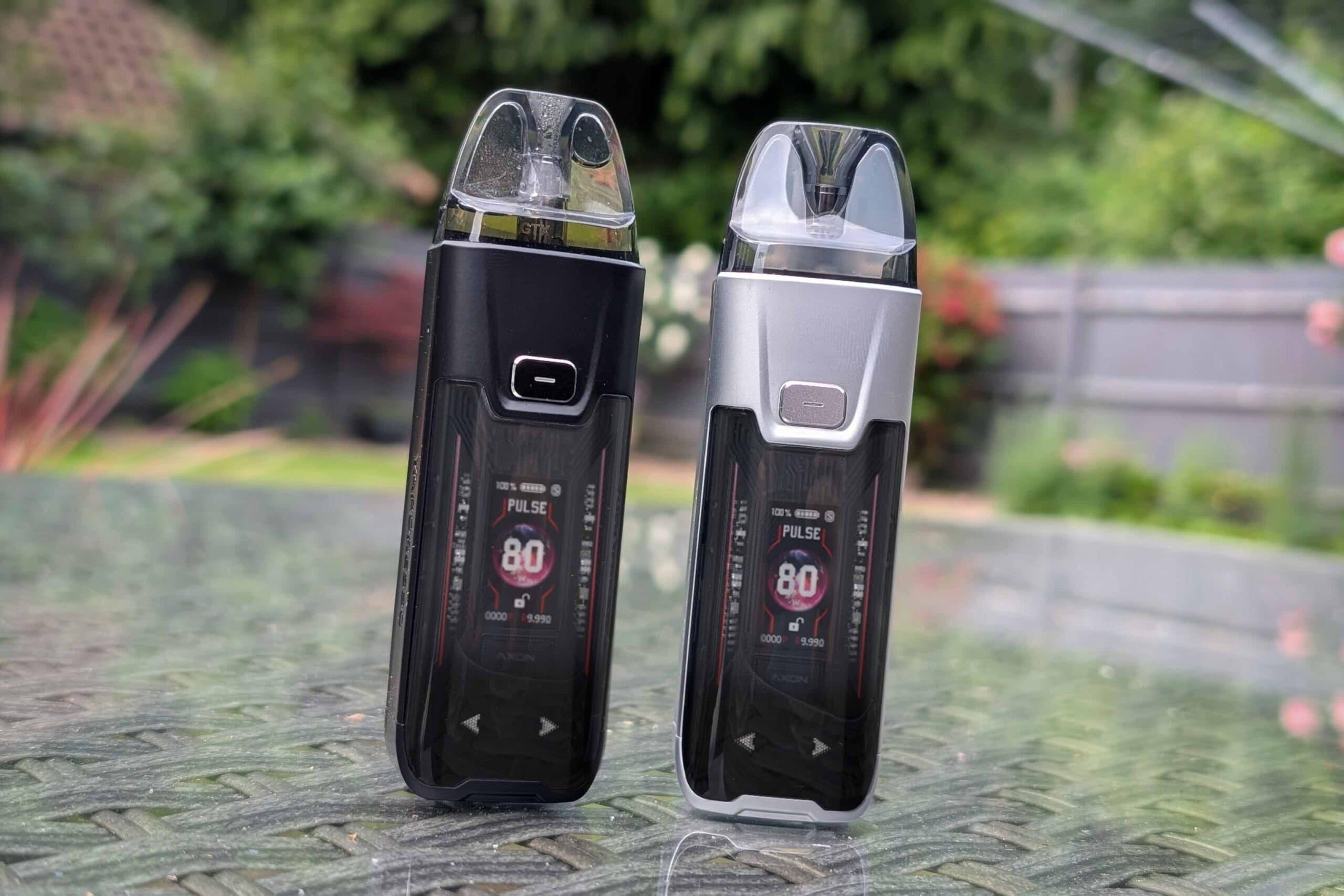
So, are e cigarettes allowed in hand luggage? Yes, almost everywhere – but with critical caveats. Always prioritize safety, transparency, and awareness of local rules. By preparing your devices responsibly and following both airline and airport guidelines, travelers can avoid unpleasant surprises and ensure a smooth journey with their vaping equipment. Regulations continue to evolve, so staying updated before each trip is advised for all e-cigarette users.
FAQs
What happens if I pack e-cigarettes in my checked luggage instead? Your e-cigarettes may be confiscated by authorities, and in rare cases, you may face fines or penalties. Always pack them in your hand luggage.
Are nicotine-free vapes treated differently? No—regardless of nicotine content, all electronic vaping devices are subject to the same rules concerning batteries and liquids
How can I find local vaping laws before traveling? Research official government or tourism websites of your destination country, or consult your airline’s customer service for guidance on current regulations.