Understanding the E-cigarette Regulatory Landscape in the Philippines: 2024 Guide
E-cigarettes, or electronic nicotine delivery systems (ENDS), have rapidly gained popularity worldwide, including in the Philippines. However, as the number of users grew, so did concerns regarding their health impacts and accessibility, especially among minors. Consequently, the Philippine government has established specific legal frameworks addressing these products. If you’re curious about the e-cigarette Philippines law, this comprehensive guide explains the necessities to stay compliant and informed in 2024.
Overview of E-cigarette Regulation in the Philippines
The Philippines has taken proactive steps to regulate e-cigarettes, primarily through: the Vape Law (Republic Act No. 11900), the implementation of specific Bureau of Internal Revenue (BIR) guidelines for taxation, and the Food and Drug Administration (FDA) oversight on nicotine and non-nicotine solutions. Under these legislations, both local and foreign manufacturers and distributors are compelled to adhere to strict standards for product safety, advertising, sales, and packaging.
Vape Law (Republic Act No. 11900)
- The Vape Law, enacted in July 2022, is the cornerstone for e-cigarette regulation in the Philippines. This act defines, categorizes, and sets the requirements for vape products, heated tobacco products, and other ENDS. It covers licensing, marketing restrictions, importation, and penalties for violations.
- One critical point of the e-cigarette Philippines law is the prohibition on sales to minors. Only individuals over 18 (recent debates indicate raising this to 21) are allowed to purchase or use these devices.
- Flavors that appeal to minors, such as candy or dessert, are restricted, and product packaging must not be designed to entice the youth.
Restrictions on Sales and Distribution
As mandated by the e-cigarette Philippines law, retailers and manufacturers must follow specific licensing procedures. Sales are banned within 100 meters of schools, playgrounds, and youth activity areas. Online purchase and delivery are permitted, but sellers must verify the age of buyers through valid identification. Failure to comply can result in suspension or revocation of licenses and heavy fines.
Advertising and Promotions
There are tight controls over vape and e-cigarette advertising. The law strictly prohibits advertisements targeting minors or using models who appear to be underage. Health warning labels are compulsory in all promotional materials, and advertisements can only be displayed in areas meant for adults. Mass media and social platforms also have restrictions; paid promotions reaching general audiences are not permitted.
Packaging and Product Standards
- All e-cigarette products, cartridges, and e-liquids must bear clear ingredient lists and health warnings in both English and Filipino.
- Child-resistant packaging is required.
- Products must comply with the toxicity levels and safety standards set by regulatory agencies. Non-compliant imports are seized at customs.
Taxation of E-cigarettes in the Philippines
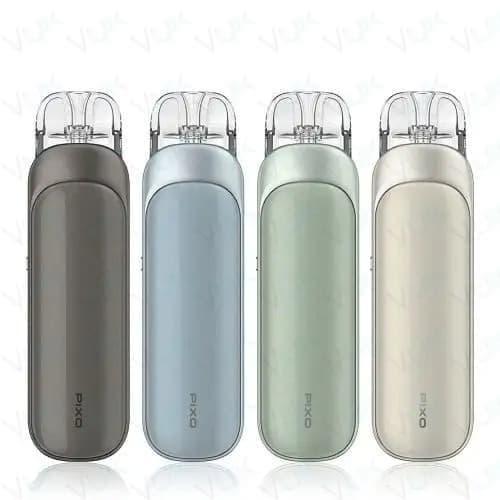
The Bureau of Internal Revenue (BIR) imposes excise taxes on e-cigarettes, including both nicotine and non-nicotine variants. These taxes were increased in recent years, making compliance essential for every manufacturer, importer, and seller. All legal products should bear BIR tax stamps certifying that the appropriate duties have been paid. Counterfeiting or selling untaxed products is a serious offense punishable by law.
Health and Public Consumption Regulations
According to the updated e-cigarette Philippines law, vaping is included in the list of activities regulated under existing national smoking bans, as outlined in the Clean Air Act and executive orders. Use is generally banned in enclosed public spaces, government offices, schools, restaurants, and public transportation. There are limited designated areas where vaping is allowed, mimicking the rules already imposed on traditional tobacco.
Importation and Manufacturing Guidelines
Local and international businesses aiming to enter the Philippine e-cigarette market must comply with both the FDA requirements and the Vape Law. This necessitates product registration, submission of technical documentation, laboratory testing, and adherence to labeling requirements. Authorities regularly conduct spot checks to ensure compliance, and failure could result in the confiscation of goods and legal liabilities.
Future Trends: Potential Changes to the E-cigarette Philippines Law
The e-cigarette industry continues to evolve rapidly, and the legislative environment in the Philippines is expected to adapt accordingly. Lawmakers are considering further tightening of age restrictions, flavor bans, and increased penalties for violations. Additionally, there is growing pressure from both local and international public health organizations to align vaping regulations more closely with those governing traditional tobacco.
Another aspect under review is enhanced consumer education regarding e-cigarette safety, proper disposal, and health risks. Stricter online sales oversight is also being discussed to curb underage access in digital marketplaces.
Why Is It Important to Comply with E-cigarette Philippines Law?
Besides legal repercussions, compliance promotes responsible business practices, consumer safety, and public health. Both individuals and companies benefit from understanding and following these regulations, as they protect users—especially the youth—from unintended health risks. Awareness also spells business sustainability in an increasingly regulated industry.
E-cigarette Philippines Law: Key Takeaways

- The legal age to buy, use, or possess e-cigarettes is strictly regulated.
- Flavored options appealing to minors are prohibited.
- Strict advertising and packaging rules exist to deter youth consumption.
- Compliance with tax, product, and retail regulations is mandatory for all entities.
- Vaping is only allowed in designated places, with bans similar to traditional smoking laws.
Frequently Asked Questions
- What is the minimum legal age to buy e-cigarettes in the Philippines?
- According to the prevailing e-cigarette Philippines law, only individuals 18 and above can legally purchase or use e-cigarettes. Proposed amendments may raise this to 21 in the near future.
- Can I buy vape products online in the Philippines?
- Yes, but online sellers are required to verify the buyer’s age and identity before completing a sale or delivery.
- Are there penalties for non-compliance?
- Absolutely. Violators may face license suspension, product seizure, steep fines, and even imprisonment, depending on the severity of the violation.
Stay updated on the evolving regulatory environment and always ensure your practices align with current e-cigarette Philippines law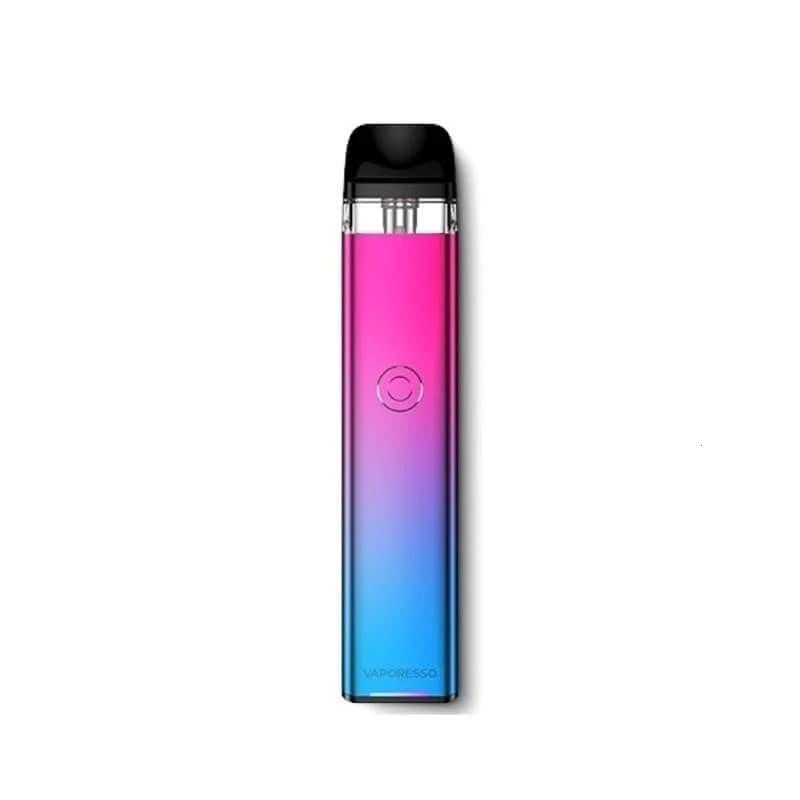 to avoid legal issues and promote a healthier community.