Regulations for E-cigarettes in Carry On Baggage
Most major airlines, including those in the United States, Europe, and Asia, allow passengers to pack e-cigarettes in their carry on baggage, but generally prohibit storing them in checked luggage due to fire risks from lithium batteries. The Transportation Security Administration (TSA) explicitly states that e-cigarettes and vape pens must be transported in the cabin, not in the cargo hold. This policy applies to devices powered by batteries because of potential hazards posed by overheating or accidental activation under pressure.
As per the FAA, all battery-powered vaping devices are only permitted in carry-on bags. You can bring your e-cigarette travel case, chargers, and spare batteries, but always keep them accessible for inspection. Some airlines require you to remove batteries from the device during transit. Liquid refills, e-liquids, or vape juice must follow the familiar 3-1-1 liquids rule, with containers holding no more than 100 ml (3.4 ounces) and fitting comfortably in a quart-sized transparent bag.
International Airport Security Guidelines
Security agencies worldwide continue tightening rules regarding e-cigarettes carry on baggage. If you are flying internationally, always check the local laws of each country you transit or arrive in, as regulations can vary. Some nations restrict vaping outright and may confiscate your device if brought into the country. However, the majority of airports permit e-cigarettes in your carry-on, provided they are not used or charged while on board the plane.
- Never charge your vape devices or batteries on the plane; fire hazards are a serious safety concern.
- Turn off your e-cigarette before packing it.
- Store any e-liquids securely in compliant containers for easy inspection.
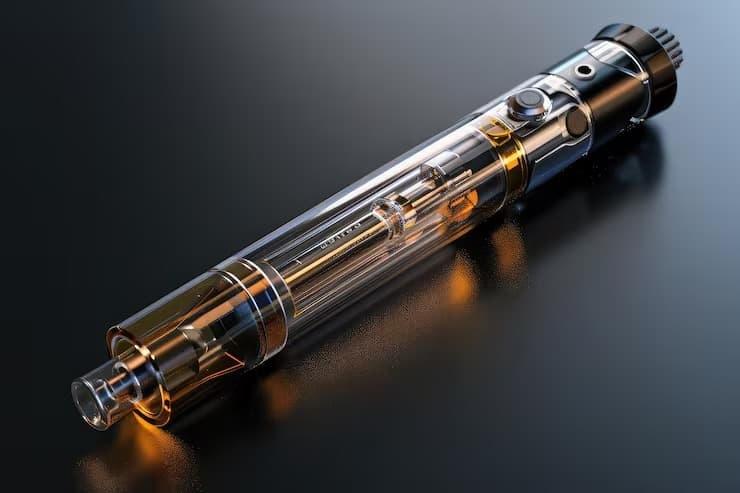
Safety Tips for Traveling With E-cigarettes
When packing e-cigarettes in your hand luggage, follow these safety tips to minimize risk and speed up security checks:
- Disassemble devices to avoid accidental activation.
- Use cases rated for battery storage and keep batteries separate.
- Place e-liquids upright and in leak-proof containers.
- Carry only authorized quantities, preferably less than the legal maximum.
Vaping Etiquette During Flights
Vaping is strictly prohibited onboard all commercial flights. Attempting to use your e-cigarette or vape pen in restrooms or cabins can result in hefty fines and possible criminal charges. The vapor can trigger smoke alarms and cause safety alerts among the crew. Instead, use designated smoking or vaping zones in airport terminals before boarding. Always respect airline staff instructions regarding your e-cigarette carry on baggage, and ensure your device stays in your bag throughout the flight.
Packing E-cigarettes for Hassle-Free Screening
To ensure smooth passage through security, remove e-cigarettes and vape batteries from your carry on bag during screening and place them in trays if requested. Declare any e-liquid containers that exceed allowed limits or bring a doctor’s note if your nicotine use is medically supervised. Keeping your devices visible and compliant reduces the risk of delays or confiscation.
Airline-Specific Rules and FAQ
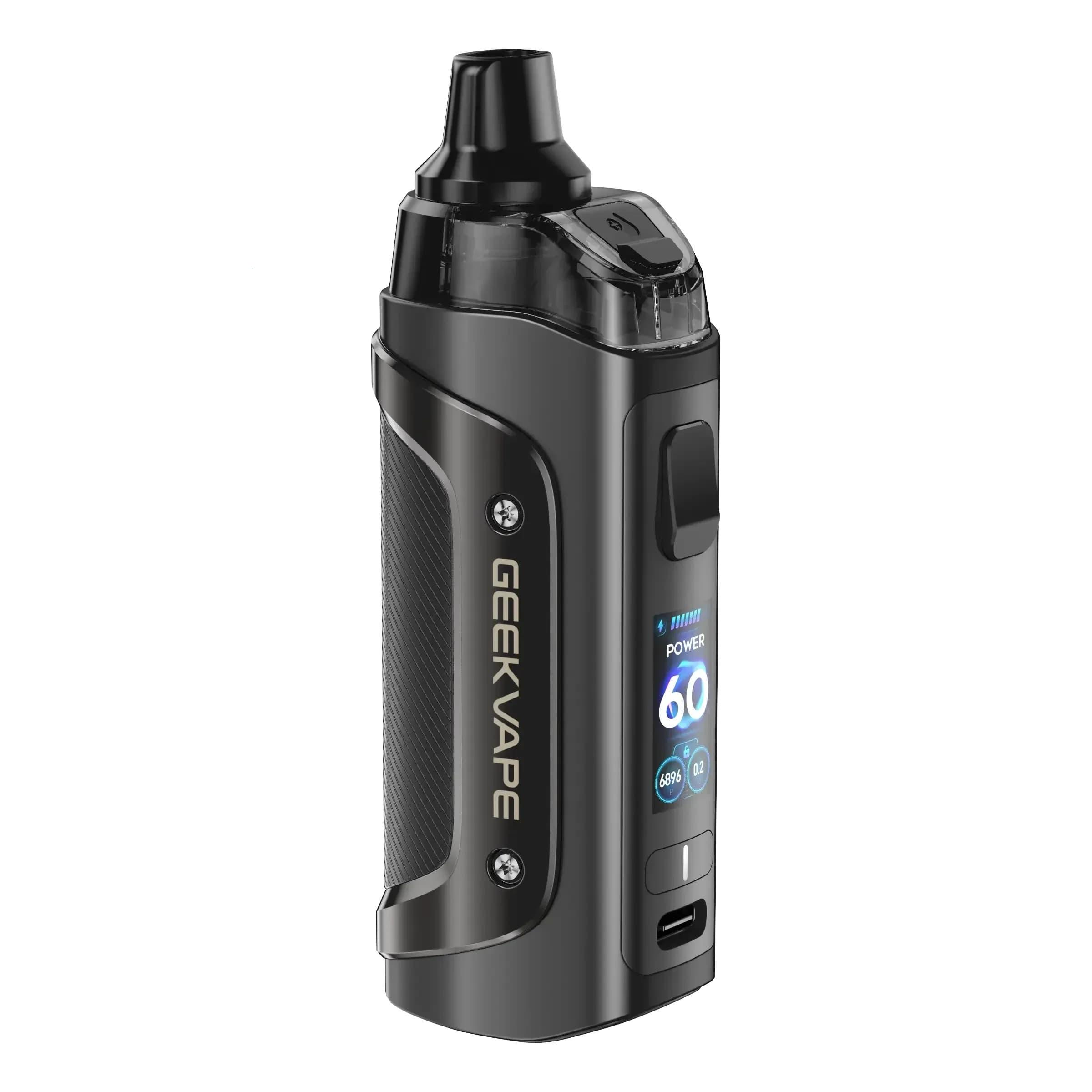
Before traveling, check the airline’s website for their current rules on e-cigarettes carry on baggage. Each carrier may apply stricter standards for battery size, maximum number of devices, and handling instructions. For example, some airlines require you to tape battery contacts or limit the number of spare batteries. If you are unsure, contact the airline directly for a written confirmation.
Country-Specific Considerations
Certain countries completely ban vaping devices or attach severe penalties for importing them. Popular destinations like Thailand, Singapore, and Brazil have stringent laws, and travelers have faced significant fines or confiscation for bringing e-cigarettes in their carry on baggage. Always consult government websites or embassy pages before your departure. In contrast, most US states, European Union nations, and Australia allow transport of e-cigarettes in your hand luggage, provided you observe the rules for liquids and batteries.
Common Mistakes to Avoid
- Forgetting to keep lithium batteries in your hand luggage, not checked bags.
- Packing too much vape juice, exceeding the 100 ml limit for liquids.
- Attempting to vape mid-flight.
- Neglecting to check destination regulations.

Conclusion: Prepare for Trouble-Free Travel
By following these guidelines, you can confidently transport your e-cigarettes in your carry on baggage and avoid confiscation, fines, or delays. Always check airline and country-specific rules, keep your device off and stored properly, and comply strictly with all liquid and battery regulations. Traveling with vape products requires preparation, but with proper planning, flying with your e-cigarettes is both safe and legal.
FAQ: E-cigarettes and Air Travel
- Can I charge my e-cigarette or vape pen during the flight?
- No, charging vape devices on board is strictly prohibited due to safety risks.
- What happens if I accidentally pack my e-cigarette in checked luggage?
- Most airlines will remove or confiscate the device, and you risk fines or loss of property. Always ensure e-cigarettes are in your carry-on bag.
- Are nicotine-free vapes subject to the same rules?
- Yes, all e-cigarette devices powered by batteries are subject to identical rules, regardless of nicotine content.