Traveling with an e-cigarette can be a daunting task if you’re not familiar with the rules and regulations associated with carrying such devices on a plane. The question arises: can you take an e-cigarette on a plane? The answer is yes, but there are specific guidelines you need to follow to ensure a hassle-free journey. This guide provides an in-depth look at the precautions, tips, and regulations surrounding the transportation of e-cigarettes on airplanes, helping you navigate the complexities of modern air travel.
Understanding Airline Policies for E-Cigarettes
Each airline may have distinct policies regarding the handling of e-cigarettes. Generally, you’re allowed to carry e-cigarettes and vape devices in your carry-on luggage, but they are strictly prohibited in checked baggage due to safety concerns involving the lithium-ion batteries. It’s crucial to review your airline’s specific guidelines before your flight to avoid any issues at security checkpoints.
Most airlines treat e-cigarettes similarly to traditional cigarettes regarding in-flight use. Under no circumstances should you use or charge your e-cigarette while on board. Smoking laws apply, and noncompliance might lead to fines or more severe legal actions.
Preparing Your E-Cigarette for Travel
Before you travel, there are several steps you should take to prepare your e-cigarette for the trip. Firstly, disconnect the battery from the cartridge to prevent accidental activation during transit. Additionally, store your e-liquid containers in accordance with the 3-1-1 liquids rule—this mandates that liquids carried in hand luggage should be in containers of no more than 3.4 ounces or 100 milliliters.
Using a hard-shell case can provide extra protection for your device and accessories, ensuring nothing leaks or becomes damaged inside your bag. Remember to also pack extra coils and wicks if your vaporizer requires them, as these may not be readily available at your destination.
Checking International Regulations
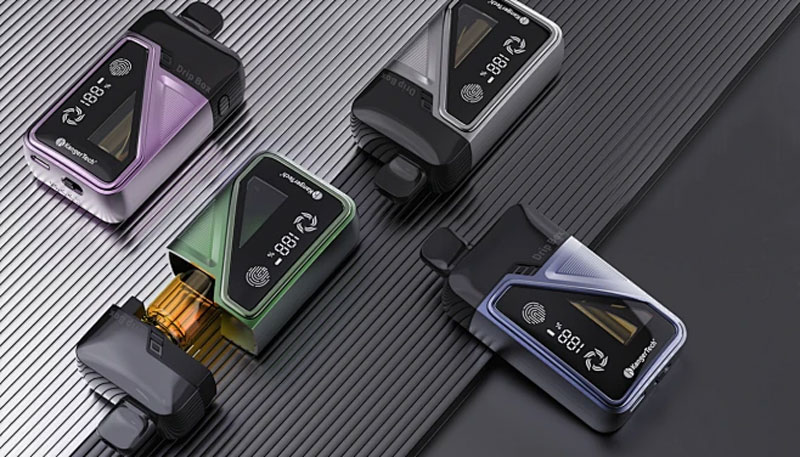
If your travels take you international, be aware that e-cigarette regulations vary widely from one country to another. Some nations, such as Singapore and Thailand, have strict bans on e-cigarette possession and use, and carrying such items can result in significant fines or even imprisonment. Research the vaping laws of your destination country in advance to avoid any legal problems upon arrival.
Security Screening Process
When passing through airport security, prepare to take your e-cigarette and e-liquids out of your bags, similar to how you would handle laptops and liquids. Security personnel may swab your e-cigarettes and test for explosive residues, a routine procedure for electronic devices carried on planes. Patience and compliance will ensure a smooth experience at security checkpoints.
Consideration for Fellow Passengers
While traveling with an e-cigarette, remain considerate of fellow passengers’ comfort and preferences. Abstaining from vaping or discussing vaping topics in confined spaces respects the personal space of those around you who may not share the same interest. Being discreet about your lifestyle choices can contribute to a positive atmosphere on board.
FAQs About Traveling with E-Cigarettes
- Is there a limit to how many e-liquids I can bring?
 – Yes, just like other liquids, you’re limited by the 3-1-1 rule, allowing each passenger to carry one quart-sized bag of liquids.
 - What if my destination country bans e-cigarettes? – If your destination prohibits e-cigarettes, refrain from bringing any vaping equipment to avoid legal issues.
- Can I charge my e-cigarette on the plane? – No, charging e-cigarettes on an airplane is not allowed due to safety regulations.
Understanding these guidelines ensures that your travel with an e-cigarette is not only compliant with aviation safety rules but also respectful towards your fellow travelers. By staying informed, you can enjoy a trouble-free journey with your e-cigarette always safely stowed in your carry-on luggage.