The phenomenon of second-hand smoke has long been associated with traditional cigarettes, where non-smokers are involuntarily exposed to the harmful chemicals emitted from tobacco. However, with the advent of e-cigarettes, a modern twist has been added to this old problem. The question that arises is: what effect does second-hand smoke from e-cigarettes, often referred to as “vapor,” have on bystanders? It’s crucial to delve into this topic to understand the full scope of e-cigarettes’ impact on public health.
Understanding E-Cigarettes and Their Emissions
Unlike traditional cigarettes, e-cigarettes do not burn tobacco but instead use a battery-powered mechanism to heat a liquid, producing an aerosol often mistakenly called vapor. This liquid typically contains nicotine, flavorings, and other chemicals. The emissions from e-cigarettes may seem less hazardous since they lack many of the harmful agents found in regular cigarettes, but studies suggest that they contain substances such as nicotine, heavy metals, and volatile organic compounds, which are not entirely benign.
The Composition of E-Cigarette Emissions
The aerosol from e-cigarettes comprises tiny particles that can penetrate deep into the lungs. Key ingredients in many e-liquids include propylene glycol and glycerin, both of which are approved for use in food but are potentially harmful when inhaled over extended periods. When heated, they can form toxic compounds such as formaldehyde. While the levels found in e-cigarette aerosol are lower than in combustible tobacco products, repeated exposure can add up and pose risks, especially to vulnerable populations like children and asthmatics.
The Health Risks of Passive Vaping
While definitive conclusions are still unfolding, early research indicates that second-hand vapor can affect indoor air quality and pose health risks. There is growing evidence that passive vaping exposure, although generally less detrimental than second-hand tobacco smoke, is not devoid of risks. Nicotine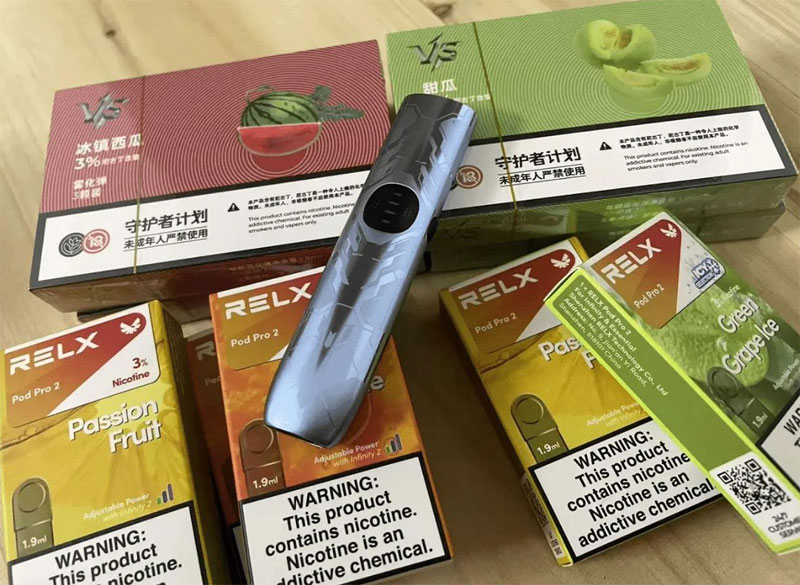 can impact cardiovascular health, and exposure to nicotine-laden aerosol can aggravate respiratory conditions or lead to irritation of the eyes and throat.
Are the Risks Comparable to Traditional Second-Hand Smoke?
While the risks from second-hand smoke and vapor are not identical, neither is particularly safe for involuntary inhalation. Regulatory bodies like the WHO emphasize that although e-cigarettes are potentially less harmful than traditional cigarettes, they are not without risks. Public health policies are increasingly considering restrictions on e-cigarette use in enclosed spaces to protect non-smokers from unwanted exposure.
Potential Policies and Mitigation Strategies
To address the impact of second-hand e-cigarette emissions, many cities and countries have begun implementing policies similar to those for traditional cigarettes. These include bans on vaping in public places like restaurants, bars, and workplaces. Additionally, awareness campaigns are being conducted to educate the public on the potential hazards associated with passive vaping.
Though the debate continues, the precautionary principle advocates minimizing exposure until further scientific clarity is achieved.
Emerging Research and Future Perspectives
The field of e-cigarette research is rapidly evolving, with studies regularly published on the diverse impacts of vaping. It is expected that future research will further elucidate the long-term effects of second-hand vapor exposure, guiding more informed policy decisions. For now, it is advisable for non-vapers to be cautious in areas where vaping occurs, especially in poorly ventilated spaces.
In summary, second-hand smoke from e-cigarettes is a modern public health challenge that requires careful consideration and response. While the direct health implications continue to be investigated, the existing data advocates for caution and the application of protective measures.
FAQs

- What is second-hand smoke from e-cigarettes?
- Second-hand smoke from e-cigarettes, also known as second-hand vapor, comprises the aerosol emitted from e-cigarettes, which contains nicotine and other potentially harmful chemicals.
- Is second-hand vapor less harmful than traditional smoke?
- Yes, it is generally considered less harmful than second-hand smoke from traditional cigarettes. However, it is still not entirely safe, especially for vulnerable groups like children and people with respiratory issues.
- Should I be concerned about exposure to second-hand vapor?
- While the risks are still being studied, it is prudent to limit exposure to second-hand vapor, particularly in enclosed spaces, to minimize potential health risks.