Traveling with e-cigarettes can be a bit tricky, especially when you need to follow the Transportation Security Administration’s (TSA) guidelines. Understanding the rules can save you from unwanted hassle and delays at the airport. E-cigarettes, also known as electronic cigarettes, vapes, or vape pens, have become increasingly popular as alternatives to traditional smoking. They operate by heating a liquid (often containing nicotine) to create vapor, simulating the smoking experience. However, the TSA has specific regulations regarding how and where you can carry these devices during your flight.
TSA Rules for Carrying E-Cigarettes
According to TSA regulations, passengers are allowed to carry e-cigarettes in their carry-on luggage but not in checked baggage, due to safety concerns regarding their lithium-ion batteries. The batteries can pose fire hazards if damaged or improperly stored, which is why the TSA recommends transporting them in the cabin. When going through security, ensure your e-cigarettes and any associated accessories are easily accessible for inspection. This can help speed up the process and ensure compliance with TSA requirements.
Understanding Liquid Restrictions
In addition to restrictions on the electronic devices themselves, travelers must also adhere to guidelines concerning e-liquid or vape juice. These liquids fall under the same “3-1-1” liquids rule as other substances. This means you can have containers holding up to 3.4 ounces (100 milliliters) placed in a single quart-sized plastic bag. Therefore, it’s crucial to plan accordingly and pack the liquids in compliance with these regulations.
Navigating Airport Security
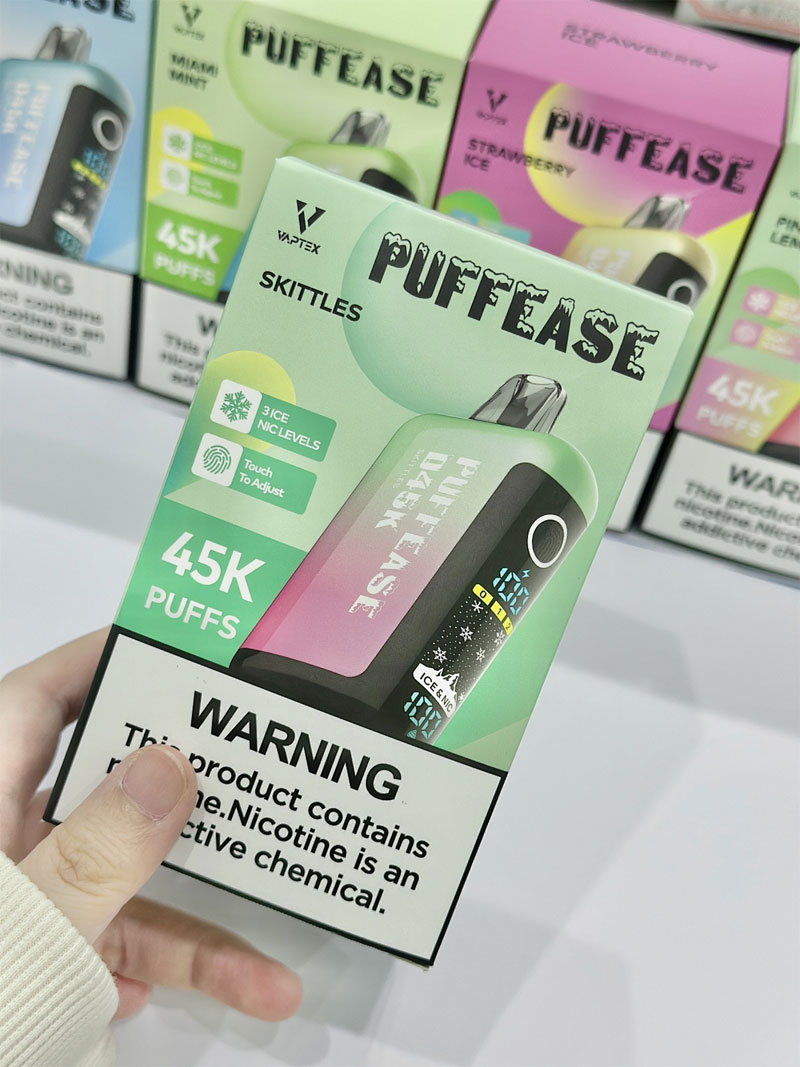
While going through airport security, you might wonder how to handle your e-cigarettes correctly. Place them and any accessories in a bin for scanning, alongside your electronic devices such as laptops and smartphones. If you’re carrying extra batteries or chargers, they should be placed in the carry-on bag, as per TSA guidelines. Additionally, ensure all components are properly secured to prevent any leaks or accidental discharges during transit.
Potential Issues at International Borders
It’s important to note that other countries may have different regulations regarding e-cigarettes. Before flying internationally, research the specific rules of your destination country, as they might affect how you can use or carry your e-cigarette products. Some countries have stringent restrictions, or even complete bans on vaping devices, so it’s advisable to check in advance to avoid trouble at customs.

Environmental Considerations
E-cigarettes and vaping accessories may have environmental impacts, especially when it comes to disposing of cartridges or batteries. Travelers can minimize their impact by using reusable and recyclable options, and disposing of worn-out components according to local recycling regulations.
FAQs About Traveling with E-Cigarettes
Q: Can I vape on the plane? A: No, smoking or vaping is not allowed onboard any domestic or international flights, due to safety regulations and air quality concerns.
Q: What if security confiscates my e-cigarette? A: If your e-cigarette is deemed a safety risk by TSA, you may be asked to surrender it. To avoid this, ensure compliance by following packing and transport guidelines.
Q: Will I need to declare my e-cigarettes at customs? A: Depending on the destination, you might need to declare e-cigarettes at customs. Check the specific entry laws of your destination country as rules vary.