Most e-cigarettes feature a liquid solution known as e-liquid or vape juice that is vaporized and inhaled. This e-liquid often contains nicotine, though there are nicotine-free versions available in the market. The concentration of nicotine in vape juices can vary significantly, offering options for users with different preferences or the desire to gradually reduce their nicotine intake. The nicotine content is typically indicated by labels such as mg/mL on the product packaging, allowing consumers to make informed decisions.
The role of nicotine in e-cigarettes
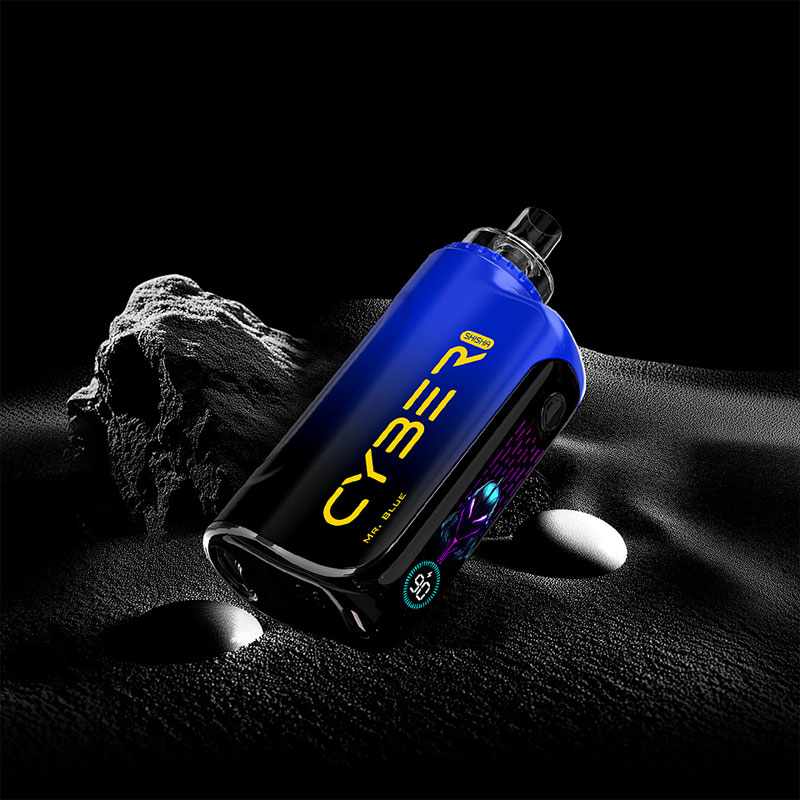 Nicotine is a highly addictive substance, and its presence in e-cigarettes means that users can potentially develop dependence, similar to traditional tobacco products. Those who switch from tobacco smoking to e-cigarettes might experience similar cravings and withdrawal symptoms if their e-cigarette usage ceases. The addictive nature of nicotine continues to pose challenges for public health officials, even with alternative products like e-cigarettes.
For those concerned about the addictive aspects of nicotine, nicotine-free e-cigarettes provide a possible solution. These products offer the experience of vaping without the addictive nicotine component. They’re particularly popular among users keen on the social or sensory aspects of vaping but wish to avoid addiction risks. However, it must be noted that while nicotine-free options reduce addiction chances, they don’t necessarily negate other health risks.
Aside from nicotine, e-cigarettes may contain various other substances. The primary components of e-liquids include propylene glycol, vegetable glycerin, flavorings, and sometimes other chemicals. These ingredients play roles in vapor production and flavor, but questions remain regarding their long-term effects when inhaled. As research continues, users are encouraged to stay informed about scientific findings and regulatory updates regarding vaping products.
Public concerns and regulations
Public health agencies have voiced concerns regarding the potential health risks of vaping, particularly among adolescents and non-smokers. Regulations concerning e-cigarette sales and usage are undergoing continuous adjustments worldwide. Some regions have implemented age restrictions, advertising limitations, and flavor bans to minimize youth appeal and usage. It is essential for consumers and retailers to remain vigilant about current laws affecting e-cigarettes.
FAQ
Do e-cigarettes always contain nicotine?
Not always. While many e-liquids have nicotine, there are nicotine-free options available for users seeking alternatives without this addictive substance.
Are e-cigarettes safer than traditional cigarettes?
E-cigarettes are often marketed as safer due to the lack of combustion, but they are not without health risks, particularly concerning nicotine addiction and other unknown inhalation effects.
Can e-cigarettes help in quitting smoking?
 Some individuals successfully use e-cigarettes as part of a smoking cessation plan, often by gradually lowering the nicotine levels. However, effectiveness can vary, and professional guidance is recommended. It’s clear that while e-cigarettes have transformed the smoking landscape, understanding their components is vital for making informed choices. As we advance, continuous research and informed discourse will shape e-cigarette use and regulation further.