When individuals embark on the journey to quit smoking, the choices available often include nicotine replacement therapy options such as nicotine patches and e-cigarettes. Both methods aim to reduce withdrawal symptoms and ease the transition away from traditional cigarettes. But which is more effective? Let’s examine the pros and cons of each and explore their effectiveness in helping people quit smoking.
The Basics of Nicotine Patches
Nicotine patches, a type of transdermal patch, deliver a controlled dose of nicotine through the skin. This method provides a steady release, helping to alleviate withdrawal symptoms associated with quitting smoking. Available over-the-counter in various strengths, the patches allow users to gradually decrease their nicotine intake over time.
Advantages of Nicotine Patches
- Steady Nicotine Delivery: Nicotine patches offer a consistent release of nicotine, reducing cravings and helping manage withdrawal symptoms such as irritability and difficulty concentrating.
- Ease of Use: Once applied, patches do not require frequent attention, making them simple and convenient for daily use.
- No Inhalation Required: Since there’s no inhalation involved, patches eliminate the risks associated with respiratory problems often linked to smoking.
Understanding E-cigarettes
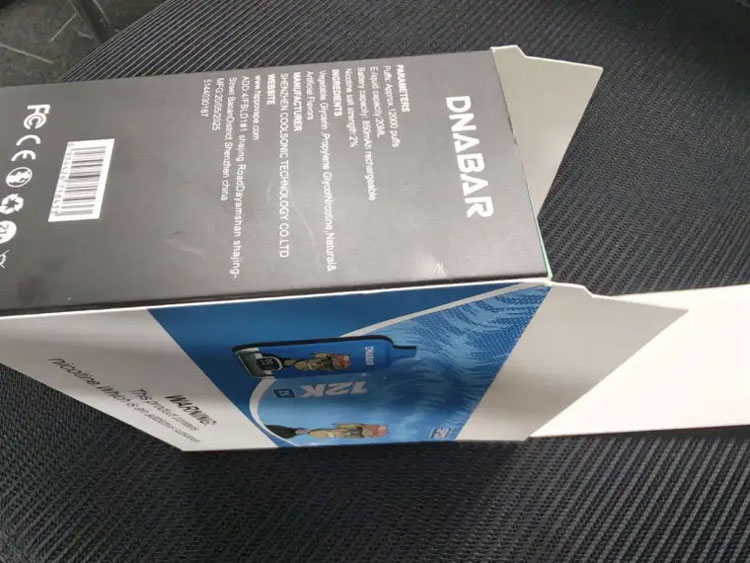
E-cigarettes, or electronic cigarettes, are battery-powered devices that heat a liquid containing nicotine to produce vapor, which users inhale. Over the years, they have gained popularity as an alternative to traditional cigarettes.
Advantages of E-cigarettes

- Smoking Sensation: E-cigarettes mimic the hand-to-mouth motion and inhalation experience of smoking, which can be comforting for those switching from traditional cigarettes.
- Adjustable Nicotine Levels: Users can gradually lower nicotine levels in e-liquids, tailoring their cessation process to their needs.
- Diverse Flavors: The availability of various flavors may make the transition away from traditional smoking more appealing for some users.
Nicotine Patches vs E-cigarettes: Effectiveness
When comparing nicotine patches to e-cigarettes, effectiveness can be subjective and vary among individuals. Some studies suggest that e-cigarettes could be more effective due to their ability to mimic the actual smoking experience. This sensation can ease the psychological withdrawal for some users. However, other research points to nicotine patches as being a trusted, standardized method for smoking cessation without encouraging inhalation habits.
According to a study in the New England Journal of Medicine, e-cigarettes have been found to be more effective than nicotine patches for quitting smoking. Yet, it’s important to consider the potential health risks, as the long-term impacts of vaping are still unclear.
Comparative Considerations
For a successful quitting strategy, one must also consider factors such as lifestyle, smoking habits, and personal preferences:
- Health Concerns: Users with respiratory issues might lean towards patches, eliminating inhalation risks.
- Lifestyle: Those seeking hands-free cessation might prefer patches, whereas social smokers might benefit from the familiar sensation of e-cigarettes.
- Cost: Patches may be a more cost-effective choice in the long term, as some e-liquids and devices can become pricey.
Conclusion and Personalization
Ultimately, the choice between nicotine patches and e-cigarettes depends on personal preferences and health priorities. It’s important to discuss options with a healthcare professional, who can provide guidance tailored to individual health needs and preferences.
Frequently Asked Questions (FAQs)
- Can nicotine patches be used with e-cigarettes?
- Combining different nicotine replacement therapies can enhance quitting success, but it should be done under professional guidance to avoid excessive nicotine exposure.
- Are e-cigarettes safe long-term?
- While less harmful than traditional cigarettes, the long-term safety of e-cigarettes is not fully understood. Ongoing research is needed.
- What if neither option is effective?
- If neither method works, consider seeking additional support through medication or professional smoking cessation programs.