In recent years, e-cigarettes have gained popularity as an alternative to traditional smoking. However, concerns have emerged regarding their safety, particularly the presence of toxic and potentially carcinogenic metals. These metals, often traced back to the devices themselves, have raised alarms among health professionals and researchers.
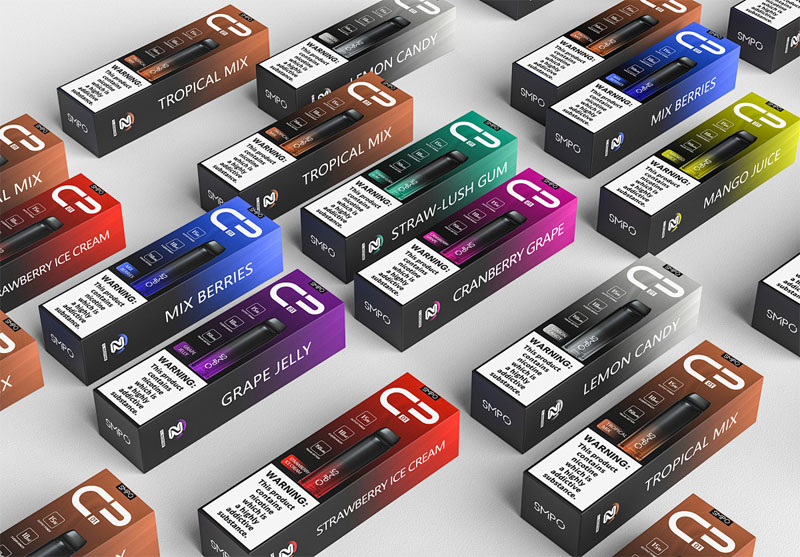
The problem with e-cigarettes
E-cigarettes function by vaporizing a liquid that typically contains nicotine, flavorings, and other chemicals. The vapor is inhaled, delivering nicotine without the combustion associated with regular cigarettes. This process may seem benign, yet it is the device components, such as the heating coils, that can introduce harmful metals into the vapor.
Sources of Toxic Metals
- Heating coils: These components, commonly made from metal alloys, are crucial for vaporizing the liquid but can degrade over time, releasing metals like chromium, lead, and nickel.
- Battery contacts: Battery terminals might also corrode, contributing to metal presence in vapor.
- Metallic casings: The internal design of some e-cigarettes can result in leaching of metals into the vapor.

Studies indicate that the concentration of metals varies, influenced by the device brand, power settings, and the duration of use. Nickel and lead are particularly concerning, given their known detrimental health effects. Exposure to high levels can lead to respiratory issues and increase the risk of cancer.

Health Implications
The inhalation of toxic metals poses several health risks. Nickel exposure can result in skin irritation and respiratory problems, while lead toxicity is widely documented to cause neurological damage and developmental delays. It’s imperative to recognize that even minor exposure can have cumulative effects, potentially leading to significant health challenges over time.
Preventative Measures
Understanding the risks associated with e-cigarettes is the first step in addressing them. Choosing devices from reputable brands, adhering to manufacturer guidelines, and avoiding extreme power settings can mitigate metal release. Furthermore, regular device check-ups to inspect the integrity of metal components can reduce potential exposure.
Conclusion and Recommendations
While e-cigarettes can be a tool for smoking cessation, users must be aware of the hidden threats posed by toxic metals. Striking a balance between harm reduction and awareness is crucial. Regulators and manufacturers must collaborate to enhance device safety, ensuring that these products do not put users at risk.
FAQs
Q: Can regular e-cigarette use lead to heavy metal poisoning?
A: While the risk is generally lower than other known sources of metal exposure, chronic use of e-cigarettes with poor maintenance can increase the risk of accumulating toxic metals in the body.
Q: Are all e-cigarettes equally dangerous in terms of metal exposure?
A: No, the safety of e-cigarettes can vary based on design, materials used, and manufacturing processes. It’s crucial to research and choose devices wisely.
Q: How can I minimize my risk of metal exposure when using e-cigarettes?
A: Stick to recommended device power settings, conduct regular maintenance checks, and choose devices from trusted brands with transparent manufacturing practices.