Unveiling the Dangers of E-Cigarettes
As the popularity of e-cigarettes continues to soar, it’s critical to understand the associated risks that might not be immediately evident. E-cigarettes, often touted as a safer alternative to traditional smoking, are not without their own hazards. While they lack the combustion products that generate many harmful effects of conventional cigarettes, they are far from risk-free.
One of the primary concerns with e-cigarettes is the potential for addiction. Even if labeled nicotine-free, many e-cigarettes still contain trace amounts of nicotine, which is highly addictive. Nicotine exposure, particularly among youth, can lead to the development of dependency and may pave the way for a lifelong addiction. Furthermore, the habit-forming nature of vaping itself can perpetuate the addiction cycle.
The Composition of E-Liquids
E-liquids, the solution used in e-cigarettes, comprise several chemicals that can be harmful when inhaled. Propylene glycol and vegetable glycerin, common carriers for flavorings, can irritate the respiratory system. Additionally, a study highlighted that the heating process of e-cigarettes can produce formaldehyde and other volatile compounds linked to severe health risks, including cancer.
Impact on Respiratory Health
While they emit fewer toxic substances than traditional cigarettes, e-cigarettes are still detrimental to pulmonary health. Research has shown that vaping can lead to inflammation in the lungs, potentially resulting in chronic obstructive pulmonary disease (COPD) over long-term use. Individuals with pre-existing respiratory conditions like asthma may experience exacerbated symptoms due to e-cigarette exposure.
The Threat of EVALI

E-cigarette or Vaping Use-Associated Lung Injury (EVALI) has emerged as a serious condition linked to vaping. Hundreds of cases have been reported, with symptoms ranging from cough and shortness of breath to fever and fatigue. This condition is primarily associated with products containing THC and vitamin E acetate, though it has surfaced in users of nicotine e-cigarettes as well.
Youth and E-Cigarettes
The appeal of e-cigarettes among teenagers and young adults is a pressing concern. Their eye-catching designs and enticing flavors can make them particularly attractive to younger demographics, potentially serving as a gateway to nicotine addiction and tobacco use. Educational institutions and parents are urged to increase awareness and implement preventive measures to shield youth from these risks.
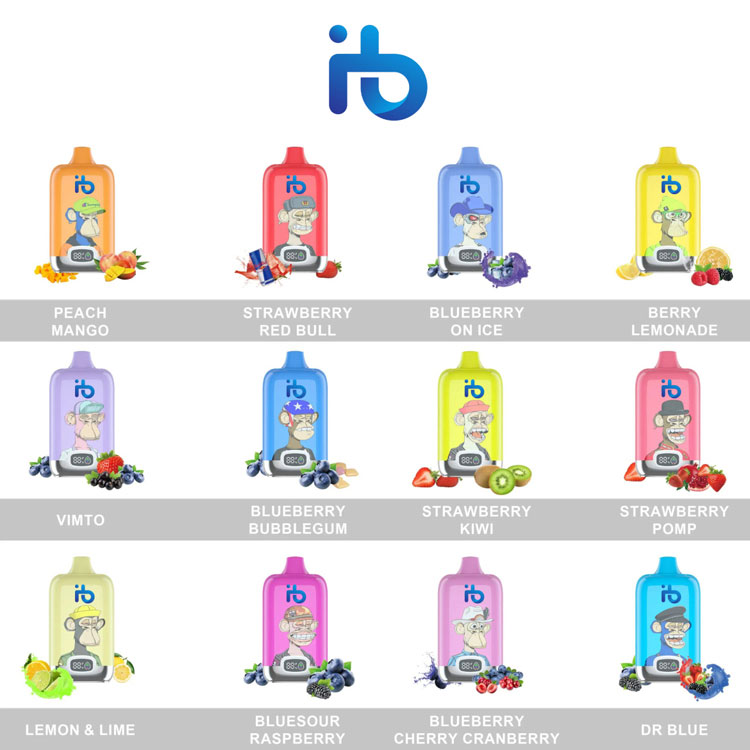
Despite efforts to regulate e-cigarette sales and usage, the evolving landscape of vaping technology presents ongoing challenges in fully assessing and minimizing the risks.
FAQ
Are e-cigarettes less harmful than traditional cigarettes?

While e-cigarettes may pose fewer risks compared to traditional cigarettes, they are not entirely safe. They still contain harmful chemicals and can lead to nicotine addiction, especially among youth.
Can e-cigarettes help in quitting smoking?
Some people use e-cigarettes as a smoking cessation tool, but this approach is not universally effective. Nicotine replacement therapies are more recommended and well-studied alternatives.
Is second-hand vapor from e-cigarettes dangerous?
Yes, second-hand vapor can contain harmful substances, including nicotine and ultrafine particles, which may affect respiratory health in non-users.