As the popularity of e-cigarettes continues to rise, many are curious about the ingredients in e-cigarettes. These devices, often marketed as safer alternatives to traditional cigarettes, still contain a complex blend of chemicals that warrant thorough examination. Understanding these ingredients is not only essential for consumers but also for health professionals who aim to provide accurate safety information.
A Closer Look at E-liquid Composition
The liquid inside e-cigarettes, commonly referred to as e-liquid or vape juice, consists primarily of a few base components. The main ingredients include propylene glycol (PG), vegetable glycerin (VG), nicotine, and flavorings. It’s crucial to understand what each of these ingredients does and any potential health implications they might carry.
Propylene Glycol
Propylene glycol is a colorless and odorless liquid that is often used in food and pharmaceuticals. In e-cigarettes, PG serves as a carrier for nicotine and flavorings, providing the ‘throat hit’ that simulates the sensation of smoking a traditional cigarette. While generally recognized as safe for ingestion, the effects of inhaling PG over long periods require more research.
Vegetable Glycerin
Vegetable glycerin is another core component, typically making up a larger portion of the e-liquid. VG is known for producing thicker vapor clouds, which is why many users prefer juices with higher VG content. Like PG, VG is considered safe for consumption in foods but lacks comprehensive studies on inhalation safety. VG is thicker than PG, which can result in a smoother vaping experience.
Nicotine
Nicotine, a highly addictive substance found naturally in tobacco plants, is included in varying concentrations to help satisfy users’ cravings. Though touted as the less harmful component compared to the tar and other chemicals in traditional cigarettes, nicotine by itself still poses health risks, including addiction and cardiovascular concerns.
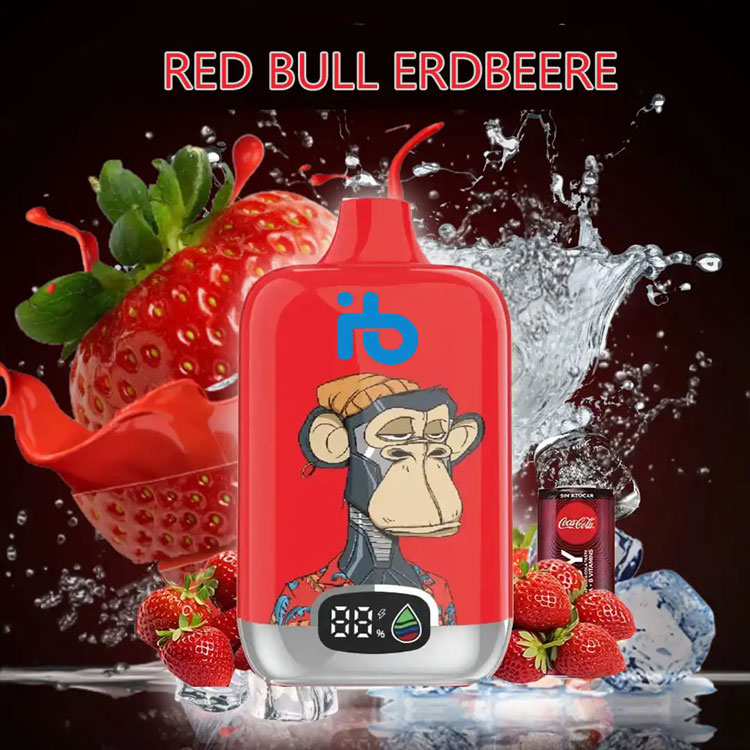
Flavorings
Flavorings are what give each e-liquid its unique taste, ranging from fruity to dessert-like. The extensive variety of flavors available is one reason for the growing popularity of e-cigarettes. However, these flavorings are not always thoroughly tested for safety when inhaled, which could pose unknown health risks.

Additional Additives in E-cigarettes
Beyond the primary ingredients, some e-liquids might contain additional additives, though not all are disclosed or regulated. Diacetyl, acetyl propionyl, and other diketones are sometimes used in flavorings and have been associated with respiratory issues.
The Importance of Regulation and Transparency
As the e-cigarette market expands, calls for tighter regulation and transparency in ingredient disclosure are increasing. Understanding the ingredients in e-cigarettes can help consumers make informed choices, but it also underscores the need for more stringent oversight by health authorities.
Common Questions about E-cigarette Ingredients
What is acetyl propionyl, and why is it in e-liquids? Acetyl propionyl is sometimes used as an alternative to diacetyl to create buttery flavors. However, it poses similar lung health concerns and is important to monitor.
Can e-cigarette flavors cause allergic reactions? Yes, some users may be sensitive to specific flavoring compounds, leading to minor allergic reactions such as throat irritation or itchy eyes.
Are there any safe e-liquid options? While no e-liquid can be deemed entirely safe, opting for reputable brands that disclose detailed ingredient lists and test results can reduce potential risks.
In conclusion, while e-cigarettes might be a part of modern lifestyles, their ingredients present a mix of known and unknown health effects. Monitoring, regulation, and transparent labeling play an essential role in ensuring user safety as research continues to evolve.